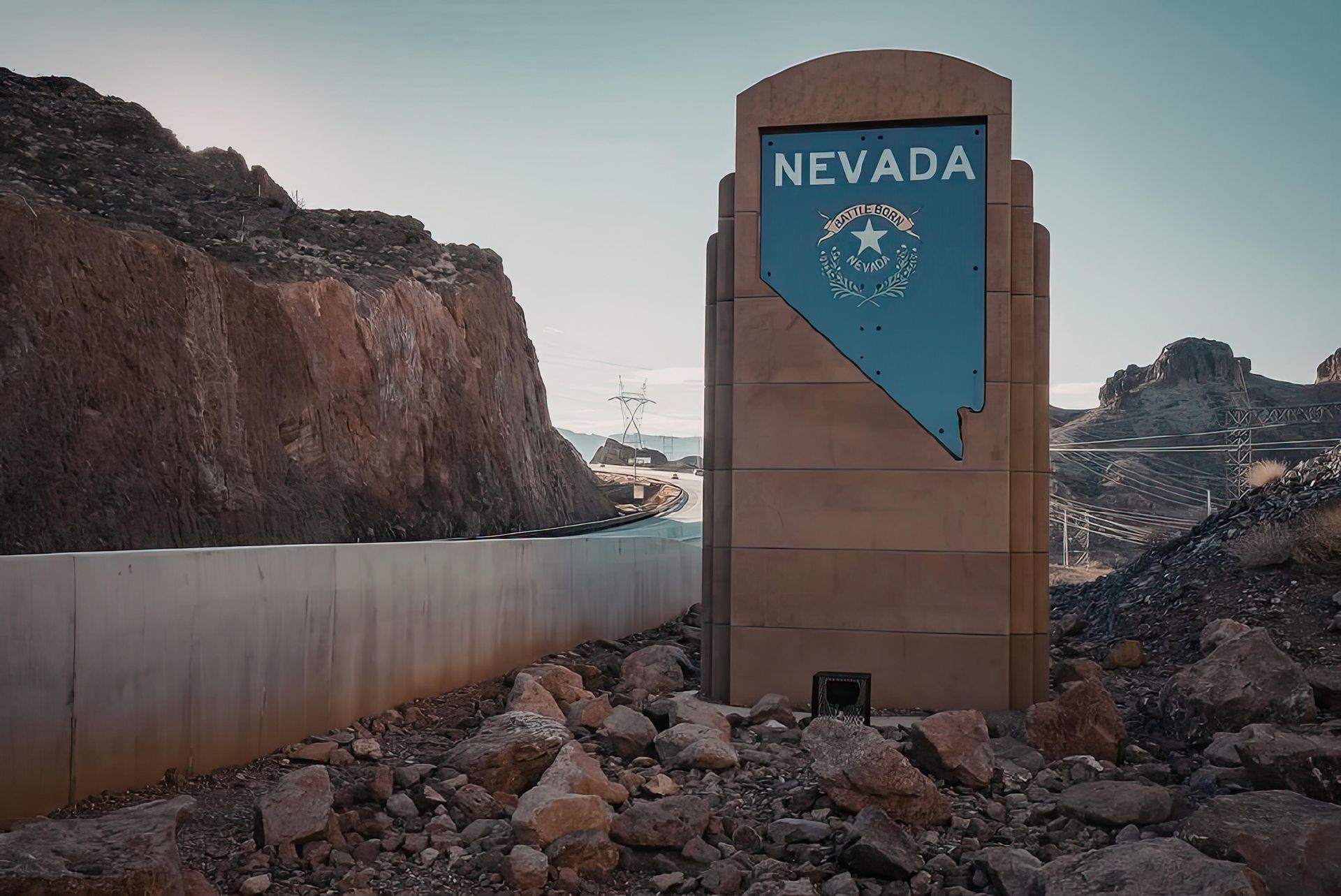

Moving East: The Legal Path from California to Nevada Residency
Moving East: The Legal Path from California to Nevada Residency
Every year, thousands of Californians make the move to Nevada—or to another low-tax or no-income-tax state. Whether the route is I-80 through the Sierra to Reno, I-15 through the Mojave to Las Vegas, or a flight to any state that offers relief from California’s 13.3% top rate, the motivation is often the same: lower taxes, less regulation, and a simpler business environment. Nevada’s lack of a state income tax is a powerful draw—but crossing the border in a way the law recognizes takes far more than a change of address.
Although this series focuses on the California-to-Nevada corridor, the residency, trust, and entity planning principles apply broadly to any move from California to a lower-tax jurisdiction.
California wants proof you left. The Franchise Tax Board (FTB) does not care which highway you took or which Nevada city you chose. It cares whether your life actually moved. At Smallhouse Law Group, we have guided clients from Los Angeles, San Francisco, San Diego, Sacramento, Orange County, the Inland Empire, and the Central Valley through this transition. The difference between a move that works and one that triggers an audit is not distance—it is documentation.
About This Series
This article opens our 2026 Cross-State Wealth and Business Planning Series, a six-part sequence exploring how California residents can lawfully reduce their state tax burden by relocating to Nevada—or another low-tax state—or by using Nevada-based trust, entity, and corporate structures.
Part 1 (this article): Establishing genuine Nevada residency and satisfying the FTB.
Part 2: Complete Gift Non-Grantor Trusts for California residents who choose to stay.
Part 3: Qualified Small Business Stock (QSBS) planning after the One Big Beautiful Bill Act.
Part 4: Creative entity restructuring to maximize the Section 1202 exclusion.
Part 5: Post-relocation compliance and defending your Nevada residency against the FTB.
Part 6: How the FTB taxes Nevada residents on California-client income through market-based sourcing.
Why California Still Thinks You Live There
California taxes residents on worldwide income. Under state law, “residency” is defined broadly and interpreted by behavior—not by where you say you live. The FTB looks at the full picture of your daily life to decide whether you have genuinely changed domicile, and it applies the same scrutiny whether you moved from Beverly Hills to Henderson or from Palo Alto to Reno.
The FTB’s residency analysis considers your physical presence in California (California’s statutory residency test looks at whether you are present for other than a temporary or transitory purpose, and presence exceeding nine months in a taxable year creates a statutory-resident presumption—there is no formal 183-day threshold in California law), the location of your spouse and minor children, ownership of California real property, where your business is managed and operated, voter registration and driver’s license, the location of your banks, accountants, and attorneys, social and professional affiliations, where you receive medical and dental care, and increasingly, cell phone records, credit card geolocation data, and electronic usage patterns.
Each element contributes to the overall picture. Inconsistencies between what you claim and what the records show create audit exposure—regardless of which part of California you left behind.
Making the Move Stick
1. Show Your Life Shifted East
Whether you settle in Reno, Sparks, Las Vegas, Summerlin, Carson City, or any other Nevada community, establishing genuine roots is essential. A Nevada property deed, a Nevada driver’s license, and local community involvement help build the foundation. Smaller details reinforce the picture: your gym membership, your doctor, even your pet’s veterinarian. Auditors look for a life that genuinely runs from Nevada, not a mailing address with California habits.
Update the following promptly after your move—not months or years later: driver’s license and vehicle registration, voter registration, financial institution addresses, professional licenses where applicable, insurance policies (home, auto, life, health), medical and dental providers, club and gym memberships, religious and community affiliations, and mail forwarding and package delivery addresses.
2. Anchor Your Business in Nevada
If company decisions are still being made from your old California office—whether that was in downtown Los Angeles, a San Jose tech campus, or a San Diego waterfront suite—California may assert “doing-business” nexus and tax the income regardless of your new Nevada address. Where management and control occurs is what matters.
For business owners, the details that count include holding board and management meetings in Nevada with minutes noting the location, signing contracts from your Nevada office, maintaining books, records, and corporate files in-state, using Nevada banking for business accounts, basing at least some employees or contractors in Nevada, and ensuring key business decisions originate from Nevada.
The goal is a paper trail that reflects genuine Nevada management—not a nominal address.
3. Cleanly Exit California
Sell or lease the former home under a clear written agreement, transfer voter registration and insurance, and forward your mail. Every loose end is a thread the FTB can pull. This applies equally whether the home you are leaving is a San Francisco townhouse, a Malibu beach property, or a suburban house in Irvine.
Retaining California property while claiming Nevada residency significantly increases audit risk. If keeping a California property is necessary, lease it to unrelated third parties at fair market value, use professional property management, execute a formal written lease, avoid retaining keys or unfettered access, and report rental income properly on your returns. The arrangement must reflect a true landlord-tenant relationship, not convenient access to your former home.
Why Structure Matters
Proper entity structure reinforces your move. A Nevada LLC or trust does more than protect assets—it demonstrates economic presence. When the entity is managed and administered in Nevada with real local activity, it supports your new domicile narrative. Paper entities with no substantive activity invite scrutiny.
Entities that support your position include those with a physical office location in Nevada, real business activities conducted from that location, management meetings documented as occurring in-state, books and records maintained locally, bank accounts at Nevada financial institutions, and employees or contractors working from Nevada.
Entities that create risk include mail-drop addresses with no real office, entities with no substantive Nevada activity, all management decisions still made from California, records maintained in California, no local banking relationships, and entities that exist only on paper. The FTB is sophisticated in identifying “mailbox companies” that lack substance.
Common Pitfalls to Avoid
- Keeping your California home “for now.” Whether it is a house in Brentwood or a condo in Walnut Creek, retaining your California residence signals that your connections remain strong and you have not truly changed domicile.
- Frequent trips back to California. Spending too many days in-state undermines your Nevada residency claim. This is true whether you are commuting back to Silicon Valley for work or returning to San Diego on weekends. Track your days carefully.
- Keeping your California professionals for “convenience.” Maintaining your same California CPA, attorney, or financial advisor as your primary contacts suggests your real connections never moved.
- Half-moving your business. If you relocated personally but left your business operations in California, the FTB will notice. Management and control must shift with you.
Each inconsistency chips away at your Nevada story. The FTB examines patterns, not isolated facts.
Key Takeaways
· California audits residency based on behavior, not declarations—and applies the same analysis to moves from any part of the state.
· Nevada’s no-income-tax policy rewards genuine relocation, not appearances.
· Entity and trust planning amplify your jurisdictional credibility.
· Document everything—where you live, work, vote, and spend—to support your story.
· The earlier you plan the move, the cleaner the transition and the stronger your position.
Coming Next in This Series
If you cannot—or prefer not to—move east, the next article in this series explores lawful alternatives through Nevada-sited trust planning. We examine how California residents can use properly structured Complete Gift Non-Grantor Trusts to achieve meaningful tax benefits without relocating.
Series links: Part 1 (this article) — “Moving East: The Legal Path from California to Nevada Residency.” Part 2 — “Staying Put, Planning Smart: Complete Gift Non-Grantor Trusts for California Residents.” Part 3 — “Qualified Small Business Stock After the One Big Beautiful Bill Act.” Part 4 — “Creative Structuring for QSBS: Nevada Subsidiaries, Entity Conversions, and Strategies to Maximize the Section 1202 Exclusion.” Part 5 — “You Crossed the Line — Now What? Post-Relocation Compliance and FTB Defense.” Part 6 — “California Still Wants Your Money: How the FTB Taxes Nevada Residents on California-Client Income.”
Talk With Us
If this article raises questions about your situation, we welcome a conversation. A brief consultation can clarify your options and next steps.
Phone: (775) 825-5700 | Email: team@smallhouselaw.com
Website: www.smallhouselaw.com
Licensed in California and Nevada.
DISCLAIMER
This publication is for informational purposes only. It does not constitute legal or tax advice and does not create an attorney-client relationship. Results depend on individual facts and applicable law, which may change. Consult qualified legal and tax professionals before implementing any strategy.